
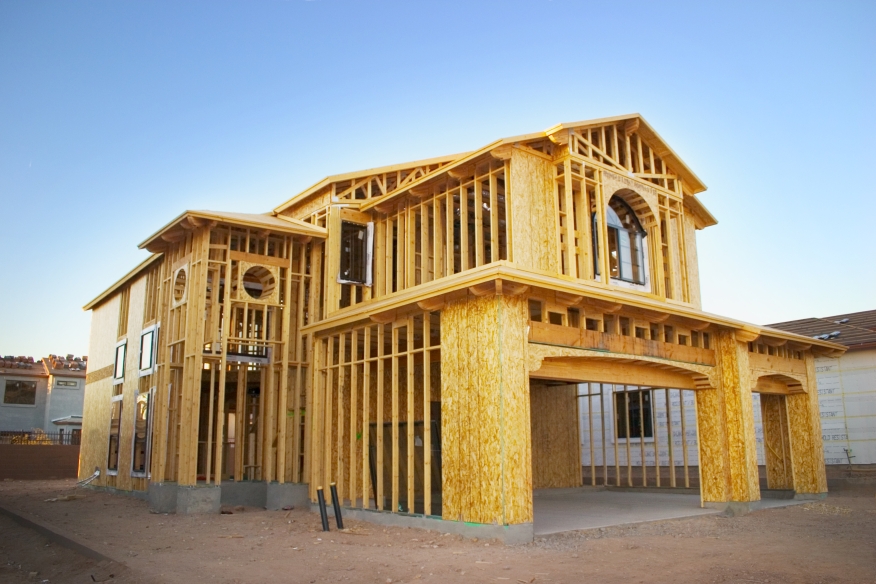
Construction Loans | The Right Fit for Your Next Development Project
Financing a commercial real estate project can be complicated. With deadlines, budgets, contractors, and multiple phases to manage, having the right funding strategy is essential. Whether you’re developing an office building, retail center, mixed-use property, or industrial facility, a construction loan can provide the structure and flexibility needed to move your project forward with confidence.
Why Consider a Construction Loan?
Construction loans are designed specifically for building or renovating commercial properties. Unlike a traditional mortgage, which provides financing for a completed asset, a construction loan releases funds in stages as the project progresses.
Here are several reasons why developers and investors often choose construction financing:
1. Funding That Aligns With Your Timeline
Construction loans are typically distributed through scheduled draws tied to project milestones. This gives borrowers access to capital as it’s needed, from site preparation and foundation work to final inspections and completion.
2. Interest-Only Payments During the Build
Many construction lenders offer interest-only payment options while the project is under construction. This can help reduce monthly carrying costs until the property begins generating income or is refinanced into long-term financing.
3. Short-Term Financing Built for Development
Most construction loans are structured for terms of about 12 to 24 months. This gives borrowers enough time to complete construction while preserving flexibility for permanent financing once the project is finished.
4. Useful for New Builds and Major Renovations
Construction financing is not limited to ground-up development. It can also be a smart solution for projects such as:
- Adaptive reuse properties
- Significant renovations
- Value-add investment opportunities
- Multifamily repositioning
- Commercial improvements needed for code compliance or tenant requirements
5. A Structured Approach That Helps Reduce Risk
Because funds are released in phases, construction loans offer built-in oversight for both lenders and borrowers. This structure helps manage financial exposure, improve budget discipline, and keep the project on track.
Understanding Construction Loans for Commercial Real Estate
What Is a Construction Loan?
A construction loan is a short-term financing product used to cover the cost of building or substantially renovating commercial or investment real estate. Rather than receiving all funds upfront, borrowers draw funds according to a pre-approved schedule based on completed stages of construction.
Construction Loan vs. Traditional Mortgage
| Feature | Construction Loan | Traditional Mortgage |
|---|---|---|
| Term Length | 12–24 months | 15–30 years |
| Payment Structure | Often interest-only during construction | Principal and interest |
| Risk Level | Higher due to construction-related variables | Lower |
| Disbursement Method | Staged draws |
Lump-sum funding |
Common Requirements for a Construction Loan
Lenders evaluate several factors when reviewing a construction loan request. Although exact criteria vary, these are some of the most common qualifications:
Credit Score and Credit History
- A credit score of 660 or above is often preferred
- A strong credit profile helps demonstrate reliability and sound financial management
Net Worth and Liquidity
- Borrowers are often expected to have a net worth equal to at least 30% of the total loan amount
- Available liquidity of roughly 10% to 20% of the loan amount may also be required
This helps show that the borrower can cover upfront expenses, interest payments, and unexpected project costs before draw reimbursements begin.
Down Payment and Budget Planning
- Down payments commonly range from 20% to 30%, depending on the project and perceived risk
- Lenders usually require a detailed budget, itemized cost breakdown, and contingency reserve
Builder and Project Review
Lenders also want to confirm that the project team and plan are realistic and executable. This often includes reviewing:
- Licensed and insured contractors
- Relevant experience with comparable projects
- Architectural plans
- Zoning and permit compliance
- A practical construction schedule
The Construction Loan Process: What to Expect
Below is a general overview of how the construction loan process typically works:
-
Pre-Qualification
Share basic details about the project, your experience, and financial background. -
Application Submission
Provide supporting documents such as plans, budgets, contractor information, and project details. -
Underwriting Review
The lender evaluates your creditworthiness, liquidity, project feasibility, and property information. -
Loan Approval
If approved, you’ll receive proposed terms, including rate, draw schedule, and loan conditions. -
Closing
Final legal documents are signed and the loan is put in place. -
Construction Phase
Funds are released in stages as work is completed according to the approved draw schedule. -
Final Inspection and Certificate of Occupancy
Once the project is complete, the lender confirms completion through inspections and required documentation. -
Refinance or Payoff
After construction, the loan is typically refinanced into permanent financing or paid off through a sale.
Move Forward With the Right Financing Strategy
A successful project starts with financing that supports every phase of development. Construction loans can provide the flexibility, structure, and capital needed to turn a plan on paper into a completed income-producing property.
If you’re planning your next commercial real estate project, the right construction loan can help you build with greater confidence and clarity from start to finish.
To learn more or explore your options, contact SoFLo Lenders.
Phone: (754) 800-8285
Email: allweiss@darkhorsecapitalgroup.com